Fishing Guides ThunderOnTheGulf: The Complete Gulf Coast Trip Planning Guide
Booking a charter without knowing what separates a real Gulf Coast outfit from a generic booking page is how most anglers end up overpaying for an underwhelming trip. This guide breaks down exactly what to expect from fishing guides thunderonthegulf, how trips are structured, what they cost, and how to pick the right one for your skill level, budget, and target species.
Unlike most articles on this topic, we’re not going to tell you fishing is “a rare pastime that can be whatever you want it to be.” We’re going to give you trip types, price ranges, season calendars, and regulations you can actually use to plan.
What Makes Fishing Guides ThunderOnTheGulf Different
The Gulf of Mexico stretches across five states — Florida, Alabama, Mississippi, Louisiana, and Texas — and each stretch of coastline fishes differently depending on water depth, bottom structure, and season. Fishing guides thunderonthegulf operate across this range, which means the trip you book in the Florida Panhandle won’t look the same as one out of coastal Louisiana.
A charter operation is only as good as three things:
- Local knowledge — knowing where fish are holding this week, not last season
- Boat and gear condition — a well-maintained vessel with functioning electronics, rods, and safety equipment
- Transparency — clear pricing, clear policies, and no surprise fees at the dock
Any credible review of fishing guides thunderonthegulf should be judged against those three criteria, not vague claims about “decades of experience.”
Trip Types Offered by Fishing Guides ThunderOnTheGulf
Most Gulf Coast charter operations, including fishing guides thunderonthegulf, break trips into four broad categories. Here’s how they compare: family fishing thunderonthegulf
| Trip Type | Typical Duration | Distance from Shore | Target Species | Best For |
|---|---|---|---|---|
| Inshore | 4–6 hours | 0–3 miles (bays, flats, marshes) | Redfish, speckled trout, flounder | Beginners, families, kids |
| Nearshore | 4–8 hours | 3–20 miles | King mackerel, cobia, Spanish mackerel | Intermediate anglers |
| Offshore/Deep-Sea | 8–12 hours | 20+ miles | Red snapper, grouper, mahi-mahi, tuna | Experienced anglers |
| Extended/Overnight | 24+ hours | 50+ miles | Marlin, swordfish, tuna | Serious offshore anglers |
If you’re new to saltwater fishing, start inshore. Trying to book a 12-hour offshore trip as your first experience on the water is a common mistake that leads to seasickness and a wasted trip — not a better catch rate.
Inshore Trips: The Beginner-Friendly Option
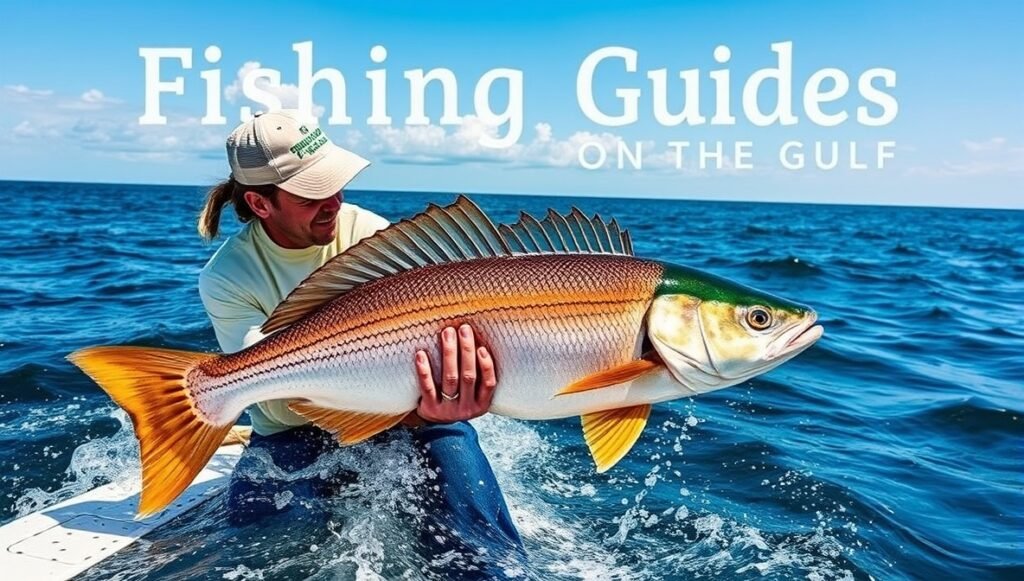
Inshore trips with fishing guides thunderonthegulf stay in protected bays, marshes, and flats. Water is calmer, boat rides are shorter, and the target species — redfish, trout, and flounder — are consistently active close to shore. This is the right call for families with young kids or anyone who hasn’t fished saltwater before.
Nearshore Trips: The Middle Ground
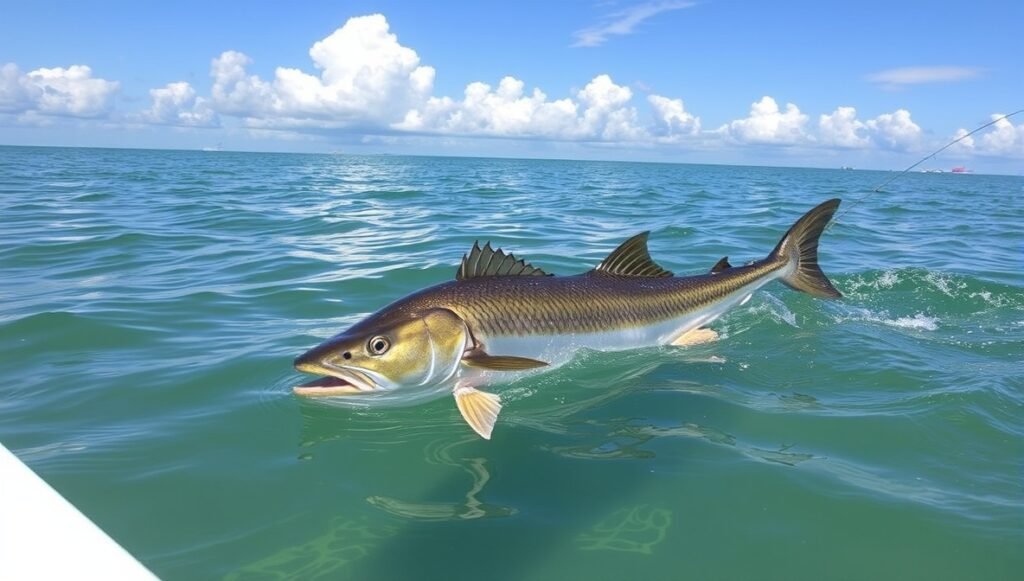
Nearshore charters push a few miles past the barrier islands into open Gulf water but stay short of the deep structure. Expect slightly rougher seas and a shot at species like king mackerel and cobia. This is a good next step once you’ve done an inshore trip and want more action.
Offshore and Deep-Sea Trips: The Serious Angler’s Choice
This is where fishing guides thunderonthegulf run longer trips to deep structure and wrecks for red snapper, grouper, and pelagic species like mahi-mahi and tuna. These trips require more physical stamina, cost more, and are best booked once you know you can handle a full day on open water.
Pricing: What to Actually Budget
Pricing varies by trip length, boat size, and group size, but here’s a realistic range based on typical Gulf Coast charter rates:
- Inshore half-day (4 hours): $400–$650 for up to 2–3 anglers
- Inshore full-day (8 hours): $650–$900
- Nearshore trip: $700–$1,100
- Offshore full-day: $1,200–$2,500 depending on boat size and distance
- Overnight/extended offshore: $3,000+
Most operations require a deposit of 25–50% at booking, with the balance due the day of the trip. Cancellation policies typically allow rescheduling for weather but may forfeit deposits for last-minute angler cancellations — always confirm this before booking.
Best Time of Year: A Season-by-Season Breakdown
Timing matters more than almost anything else when booking fishing guides thunderonthegulf. Here’s how the calendar generally breaks down:
| Season | Best Species | Notes |
|---|---|---|
| Spring (Mar–May) | Speckled trout, redfish, Spanish mackerel | Water warming, fish moving shallow |
| Summer (Jun–Aug) | Red snapper, king mackerel, mahi-mahi | Peak offshore season, snapper season typically opens |
| Fall (Sep–Nov) | Redfish, cobia, grouper | Fish feeding heavily before winter |
| Winter (Dec–Feb) | Trout, redfish, sheepshead | Calmer inshore fishing, fewer offshore days |
Red snapper season is federally and state regulated and changes year to year, so always confirm current dates before planning a trip around this species specifically.
Licensing and Regulations by State
One thing most guides to fishing guides thunderonthegulf skip entirely is the regulatory side. Here’s a quick reference:
- Florida: Saltwater fishing license required unless fishing with a licensed charter captain who covers it under their license
- Alabama: Similar charter-covered license system; state also requires red snapper reporting through Snapper Check
- Mississippi: License typically covered by charter operators; state season dates apply for reef fish
- Louisiana: Recreational Offshore Landing Permit (ROLP) required for offshore reef fish species
- Texas: Saltwater fishing license usually included in charter package; state-specific bag limits apply for snapper and other reef species
Most reputable fishing guides thunderonthegulf include license coverage in their trip price, but always confirm this at booking — don’t assume.
What to Bring on Your Trip
A properly outfitted charter provides the essentials, but here’s what you should bring yourself:
- Polarized sunglasses
- Reef-safe sunscreen
- A hat and light long-sleeve shirt
- Non-slip, closed-toe shoes
- Motion sickness medication (taken the night before, not the morning of)
- A cooler if you plan to keep your catch
- Cash for tipping your mate/captain (15–20% is standard)
What’s Usually Included
Most fishing guides thunderonthegulf packages include:
- Rods, reels, and tackle
- Bait
- Fishing license coverage
- Basic safety equipment
- Fish cleaning at the dock (sometimes for an extra fee)
How to Choose the Right Charter
Not every operation running under the fishing guides thunderonthegulf name will match your goals. Use this checklist before booking:
- Confirm USCG captain certification — ask directly, don’t assume from a website badge
- Ask about boat size and group size — a 6-person max boat gives you more attention than a 20-person party boat
- Check cancellation and weather policy in writing
- Ask what’s included vs. what costs extra (fish cleaning, fuel surcharges, gratuity expectations)
- Request recent catch photos or references — a legitimate operation will have these readily available
Family and Beginner Trips
If you’re bringing kids or first-time anglers, tell the operator upfront. Good fishing guides thunderonthegulf will adjust the trip — shorter duration, calmer inshore water, simpler tackle — rather than putting a 6-year-old on a 10-hour offshore run. Ask specifically about minimum age policies and life jacket sizes for children before booking.
Frequently Asked Questions
How much does a fishing guide on the Gulf Coast cost?
Prices range from roughly $400 for a 4-hour inshore trip to $2,500+ for a full-day offshore charter, depending on boat size, distance, and group size.
Do I need a fishing license to book a charter trip?
Usually no — most charters, including standard fishing guides thunderonthegulf packages, cover licensing under the captain’s license, but confirm this before your trip.
What’s the best time of year to fish the Gulf Coast?
Summer is peak season for offshore species like red snapper and mahi-mahi, while spring and fall are strong for inshore redfish and trout.
Are Gulf Coast fishing trips good for beginners and kids?
Yes, especially inshore trips in calm bays and marshes — just tell your captain in advance so they can plan an appropriate route and pace.
What should I bring on a charter fishing trip?
Sunscreen, polarized sunglasses, non-slip shoes, motion sickness medication, and cash for tipping your captain or mate.
How far in advance should I book?
Book 2–4 weeks ahead for standard trips, and 2–3 months ahead during peak summer season or for red snapper-specific offshore trips.
What happens if the weather is bad on my trip day?
Most operators will reschedule at no charge for safety-related weather cancellations — confirm this policy in writing before you pay a deposit.
Final Thoughts
Booking with fishing guides thunderonthegulf comes down to matching the right trip type to your experience level, confirming pricing and policies upfront, and timing your trip to the season you’re targeting. Skip the vague marketing language and ask direct questions about captain credentials, boat size, and what’s actually included — that’s what separates a trip worth repeating from a one-time disappointment.