Family Fishing Thunderonthegulf: The Complete Planning Guide for 2026
Booking a family fishing thunderonthegulf trip sounds simple until you actually start planning one. Between picking the right charter, figuring out licensing, working around your kids’ patience levels, and trying not to overspend on a single weekend, most families end up more stressed than relaxed before they even leave the driveway. This guide skips the fluff and gives you the actual numbers, schedules, and comparisons you need to plan a trip that works for your budget and your family.
What Family Fishing Thunderonthegulf Actually Means
Family fishing thunderonthegulf refers to the network of fishing charters, piers, and shoreline access points along the Gulf Coast that cater specifically to families rather than serious offshore anglers. It’s not a single company or a single location — it’s a regional identity built around charter operators, local marinas, and family-focused trip packages designed for mixed skill levels, including young kids who’ve never held a rod.
Unlike deep-sea charters built for hardcore anglers chasing marlin for 10 hours straight, a proper family fishing thundernthegulf trip is shorter, closer to shore, and structured around keeping everyone — including a bored eight-year-old — engaged for three to four hours instead of a full day.
Why the Gulf Coast Works for Families Specifically
The Gulf’s calm, shallow inshore waters make it genuinely different from Atlantic or Pacific coast fishing trips. Here’s why that matters:
- Water is typically calmer than open-ocean fishing spots, which reduces seasickness risk for kids
- Inshore species (redfish, speckled trout, flounder) bite consistently and don’t require heavy tackle
- Trip lengths can be shortened without sacrificing the experience
- Most marinas are within a short drive of family-friendly lodging and beaches arts crafts thunderonthegulf
Best Time of Year for Family Fishing Thunderonthegulf Trips
This is the part nearly every other guide skips. Fish activity on the Gulf changes significantly by month, and booking blind means you might show up during a slow stretch.
| Month | Target Species | Water Temp | Family Suitability |
|---|---|---|---|
| March–April | Speckled trout, redfish | Mild, 68–74°F | High — comfortable temps, active fish |
| May–June | Redfish, Spanish mackerel | Warm, 78–82°F | Very high — peak season |
| July–August | Mahi-mahi (offshore), redfish (inshore) | Hot, 84–88°F | Moderate — heat can tire kids fast |
| September–October | Redfish, flounder | Cooling, 75–80°F | High — fewer crowds, strong bite |
| November–December | Sheepshead, black drum | Cool, 62–68°F | Moderate — better for older kids |
| January–February | Sheepshead, trout | Coolest, 58–64°F | Lower — bundle up, shorter trips recommended |
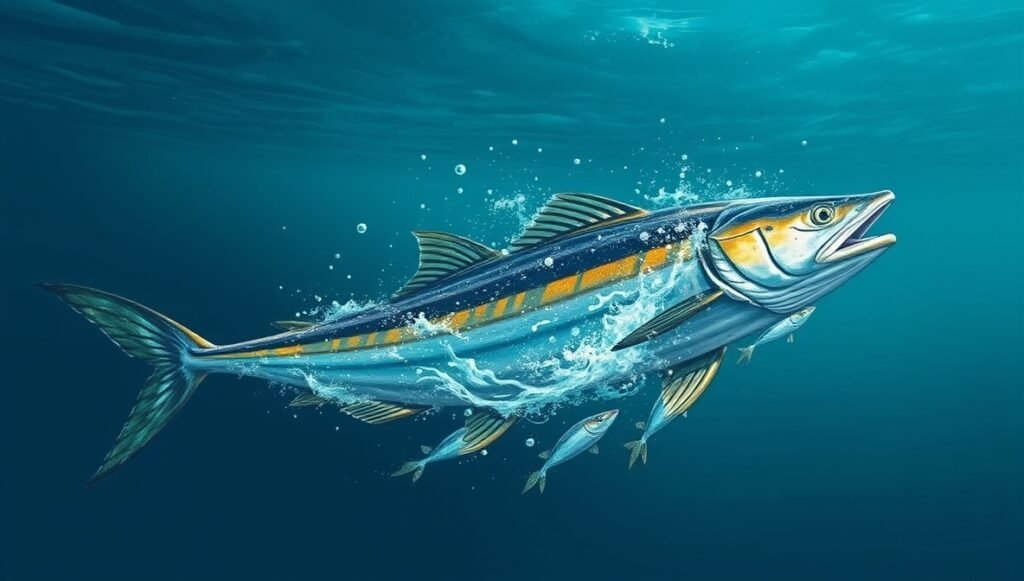
If you’re planning a family fishing thunderonthegulf trip with young children, May, June, September, and October consistently offer the best combination of comfortable weather and strong fish activity.
Real Cost Breakdown for Family Fishing Thunderonthegulf Trips
Nobody wants to book a trip and get hit with hidden fees at the dock. Here’s what you should actually expect to pay.
Charter Fishing Costs
| Trip Type | Group Size | Duration | Estimated Cost |
|---|---|---|---|
| Inshore family charter | Up to 4 people | 3–4 hours | $350–$550 |
| Inshore family charter | Up to 6 people | 4 hours | $500–$700 |
| Half-day offshore trip | Up to 6 people | 6 hours | $900–$1,300 |
| Full-day offshore trip | Up to 6 people | 8+ hours | $1,400–$2,000 |
Additional Costs to Budget For
- Fishing license fees (see next section)
- Gear rental if not included ($15–$40 per rod)
- Bait and tackle ($20–$50 depending on trip type)
- Fish cleaning/filleting fee at the dock ($1–$2 per pound)
- Tip for your guide (15–20% of the charter cost is standard)
DIY Shoreline or Pier Fishing Costs
If a charter isn’t in the budget, pier and shoreline fishing is a legitimate — and far cheaper — way to do family fishing thunderonthegulf style trips:
- Pier access fee: $2–$10 per person
- Rod/reel rental (if needed): $10–$20
- Bait: $10–$15
- Total for a family of four: often under $100
Licensing and Regulations Nobody Explains Clearly
This is where most families run into trouble — and where every competing guide stays vague. Here’s what you actually need.
Do You Need a License?
Yes, in nearly all cases. Florida and most Gulf states require a saltwater fishing license for anyone 16 or older who is fishing, including from shore or a pier, unless you’re fishing from a licensed charter boat that covers guests under its vessel license.
License Options
- Non-resident 3-day license: ideal for a short family trip, typically $17–$30
- Non-resident 7-day license: better for longer stays, typically $30–$50
- Annual non-resident license: only worth it if you fish multiple times a year, typically $50–$100
Always check your specific state’s wildlife and fisheries website before booking, since license requirements and pricing change and vary state to state along the Gulf.
Catch Limits and Size Rules
Every species has a minimum size and daily bag limit that changes based on current fishery management rules. Charters typically know current limits, but if you’re doing an independent trip, verify current limits through your state’s official marine fisheries page before you go — rules shift seasonally and limits caught outside regulation can result in fines.
Comparing Charters for Family Fishing Thunderonthegulf Trips
Not all charters are built the same, and picking the wrong one is the fastest way to ruin a trip with young kids. Here’s a general comparison framework based on what actually matters for families.
| Charter Type | Best For | Boat Size | Kid-Friendly Features |
|---|---|---|---|
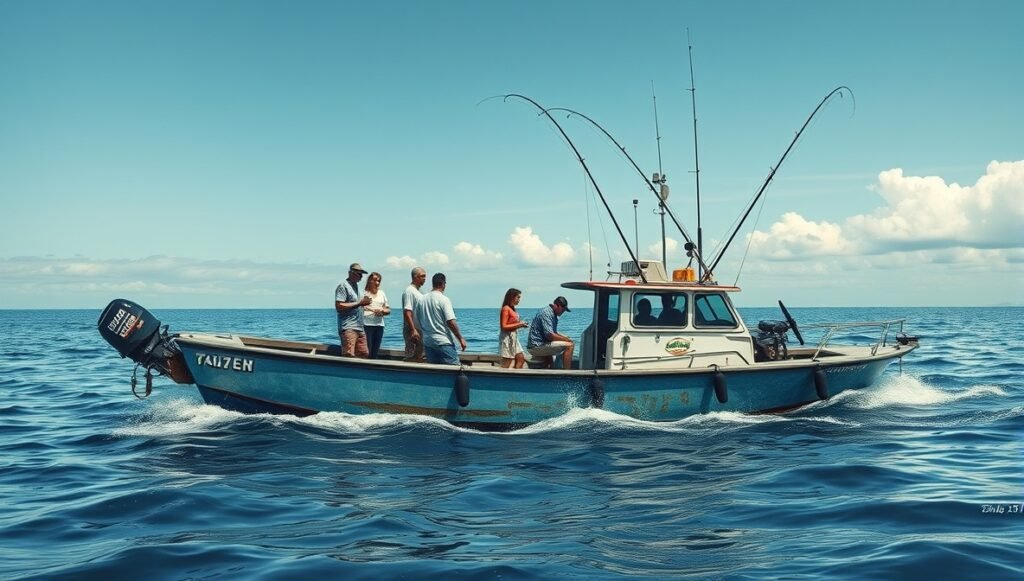
| Small inshore charter | Toddlers to young kids | 21–24 ft | Shorter trips, calm water, shaded seating |
| Mid-size family charter | Mixed-age groups | 25–30 ft | Restroom onboard, more deck space |
| Larger group charter | Extended family trips | 30+ ft | Multiple rod stations, air-conditioned cabin |
| Offshore charter | Teens and experienced anglers | 32+ ft | Longer trips, rougher water, bigger species |
What to ask before booking any family fishing thunderonthegulf charter:
- Is bait, tackle, and license coverage included in the price?
- What’s the cancellation/weather policy?
- Is there a bathroom on board?
- What’s the minimum age they allow?
- Do they provide shade or a cabin for breaks?
- Is fish cleaning included or an added fee?
What to Pack for a Family Fishing Thunderonthegulf Trip
A rushed packing list is the number one reason family trips go sideways by hour two. Use this as your actual checklist:
- Reef-safe sunscreen (reapply every 2 hours)
- Wide-brim hats and polarized sunglasses for kids
- Non-slip water shoes
- Light, breathable long-sleeve shirts
- Motion sickness bands or medication for kids prone to seasickness
- Refillable water bottles (dehydration hits faster on open water)
- Snacks that won’t melt or crumble easily
- A dry bag for phones and electronics
- A small first-aid kit
- Extra change of clothes
Handling Seasickness and Boredom on the Water
These two issues account for most cut-short family trips, and almost no other guide addresses them directly.
For seasickness:
- Book morning trips — water is typically calmer earlier in the day
- Keep kids looking at the horizon, not down at their phones
- Avoid heavy meals right before boarding
- Ask your charter about anti-nausea options for kids
For boredom:
- Give non-anglers a specific job: spotting dolphins, counting boats, photographing catches
- Bring a simple fish-identification card so kids can turn it into a game
- Keep trip length realistic — 3–4 hours is often the sweet spot for kids under 10
Alternatives for Non-Fishing Family Members
Not everyone on the trip needs a rod in hand for a family fishing thunderonthegulf outing to still work for the whole group.
- Wildlife watching (dolphins, pelicans, and seabirds are common along the Gulf)
- Beachcombing near the marina before or after the trip
- Photography — many families make this the “job” for reluctant participants
- Simple journaling of the trip, species seen, and weather conditions
Sample 3-Day Family Fishing Thunderonthegulf Itinerary
| Day | Activity | Notes |
|---|---|---|
| Day 1 | Arrival, license purchase, gear check | Settle in, confirm charter time |
| Day 2 | Morning charter (3–4 hrs), afternoon beach time | Best window for calm water |
| Day 3 | Pier fishing or DIY shoreline trip | Lower-cost, relaxed final day |
Frequently Asked Questions
Is family fishing thunderonthegulf good for toddlers?
Yes, but stick to shorter inshore trips (2–3 hours) on calm-water charters with shaded seating, and treat the boat time as flexible rather than strict.
How much does a typical family fishing thunderonthegulf charter cost?
Most inshore family charters for up to four people run between $350 and $550 for a 3–4 hour trip, not including tip, tackle, or license fees.
Do kids need a fishing license?
In most Gulf states, children under 16 are exempt from license requirements, but adults 16 and older typically need one even when fishing from shore.
What’s the best month for family fishing thunderonthegulf trips?
May, June, September, and October generally offer the best mix of comfortable temperatures and strong fish activity for families.
Can we fish without booking a charter?
Yes — pier and shoreline fishing are affordable, legitimate options for family fishing thunderonthegulf trips and typically cost under $100 for a family of four.
What should we do if a kid gets seasick?
Book a morning trip, keep them focused on the horizon rather than their phone, avoid heavy meals beforehand, and ask your charter about child-safe anti-nausea options in advance.
Final Thoughts
A successful family fishing thunderonthegulf trip comes down to realistic planning: the right season, an honest budget, a charter that actually fits your family’s ages and comfort levels, and a backup plan for the kid who’d rather watch dolphins than hold a rod. Skip the guesswork, use the numbers above, and you’ll spend your trip actually fishing instead of troubleshooting.