ThunderOnTheGulf Eco Friendly Fishing Practices: The Complete Gulf Coast Guide
Fishing along the Gulf Coast is more than a weekend hobby — it’s a relationship with the water that has to be protected if it’s going to last for the next generation of anglers. That’s exactly what thunderonthegulf eco friendly fishing practices are built around: real, actionable habits that protect fish populations, coastal habitats, and the local economies that depend on healthy waters. This guide breaks down exactly what those practices look like, species by species, gear piece by gear piece, so you can fish responsibly without sacrificing a great day on the water.
What Are ThunderOnTheGulf Eco Friendly Fishing Practices?
At their core, thunderonthegulf eco friendly fishing practices are a set of standards for how anglers interact with Gulf Coast waters — from the tackle they use to the way they handle a catch before release. These aren’t vague suggestions. They’re specific habits tied to real regulations, real species biology, and real conservation outcomes.
The goal is simple: keep fish populations healthy, keep habitats intact, and keep the Gulf fishable for decades to come. That means paying attention to details most casual guides skip over — things like barotrauma in deep-water species, seagrass damage from careless anchoring, and the true decomposition timeline of monofilament line. contact email steven evans thunderonthegulf
Why This Matters for the Gulf Specifically
The Gulf of Mexico isn’t a generic body of water — it has its own pressures. Red snapper stocks have been rebuilding for over a decade under strict federal quotas. Redfish and speckled trout populations fluctuate with red tide events and habitat loss. Seagrass beds, which serve as nurseries for juvenile fish, are disappearing along parts of the coast due to boat traffic and prop scarring.
That context is why thunderonthegulf eco friendly fishing practices focus on Gulf-specific realities instead of copy-paste advice you’d find on any generic fishing blog.
Core Principles Behind Sustainable Gulf Fishing
Before getting into species-specific detail, it helps to understand the four pillars that shape every recommendation in this guide.
| Principle | What It Means | Why It Matters |
|---|---|---|
| Catch limits | Following state and federal bag/size limits exactly | Prevents population decline from overharvest |
| Selective gear | Using tackle that reduces bycatch and injury | Protects non-target species and juveniles |
| Habitat protection | Avoiding seagrass, reefs, and nesting zones | Preserves nurseries and long-term fish stocks |
| Proper handling | Minimizing air exposure and stress during release | Increases post-release survival rates |
These four pillars are the foundation of every recommendation that follows.
Gulf Coast Regulations You Actually Need to Know
Generic fishing advice rarely mentions actual regulations, but this is where thunderonthegulf eco friendly fishing practices separate from the noise. Regulations vary by state, and they change seasonally, so treat the numbers below as a starting reference — always confirm current limits with your state’s fish and wildlife agency before heading out.
Florida Gulf Waters
- Redfish: 18–27 inch slot limit, one fish per person per day (check current FWC updates)
- Speckled trout: Seasonal closures apply in several regions; size limits vary by zone
- Red snapper: Federal season windows apply, typically limited to specific weekends in summer
Alabama and Mississippi Waters
- Red snapper season is set annually and can differ from Florida’s federal windows
- Flounder has seasonal closures tied to spawning migration in fall
Texas Gulf Waters
- Redfish slot limit is generally 20–28 inches with a daily bag limit
- Speckled trout limits are stricter in certain bay systems following population declines
Checking these limits before every trip isn’t optional — it’s the single most important habit behind any real commitment to thunderonthegulf eco friendly fishing practices.
Species-Specific Handling Guide
Generic “catch and release” advice fails because different species need different handling. Here’s what actually works.
Redfish
Redfish are hardy but can be stressed by prolonged air exposure. Keep these steps in mind:
- Wet your hands before touching the fish to protect its slime coat
- Support the body horizontally — never hold vertically by the jaw for photos
- Limit air exposure to under 15 seconds when possible
- Revive in the water by moving the fish gently forward until it swims off on its own
Speckled Trout
Trout have soft mouths and are more fragile than redfish.
- Use a landing net with rubber mesh instead of hard nylon
- Avoid excessive handling — release quickly if not keeping for a legal harvest
- Use circle hooks to reduce deep-hooking injuries
Red Snapper
Snapper caught from deep water often suffer barotrauma — a condition where rapid pressure change causes the swim bladder to expand, making it impossible for the fish to swim back down.
- Use a descending device to return the fish to depth if it shows signs of barotrauma (bulging eyes, distended belly)
- Venting tools can help but require training to use correctly
- Never release a barotrauma-affected fish at the surface — it will not survive
Flounder
- Flounder tolerate handling better than trout but are vulnerable during spawning migrations in fall
- Avoid targeting known spawning aggregation areas during migration windows
Gear That Supports Eco Friendly Fishing
Your tackle box says a lot about your commitment to conservation. Here’s what to prioritize.
| Gear Item | Standard Option | Eco-Friendly Alternative |
|---|---|---|
| Fishing line | Traditional monofilament | Biodegradable fluorocarbon blends |
| Hooks | J-hooks | Circle hooks (reduce gut-hooking) |
| Weights | Lead sinkers | Tungsten or steel weights |
| Landing tools | Hard nylon nets | Rubber-coated landing nets |
| Descending tools | None | Weighted descending devices for deep species |
Traditional monofilament line can take hundreds of years to break down in marine environments, which means gear choice has consequences long after your trip ends. Switching even a few pieces of tackle is one of the easiest ways to align your setup with thunderonthegulf eco friendly fishing practices.
Boat and Charter Habits That Protect the Coast
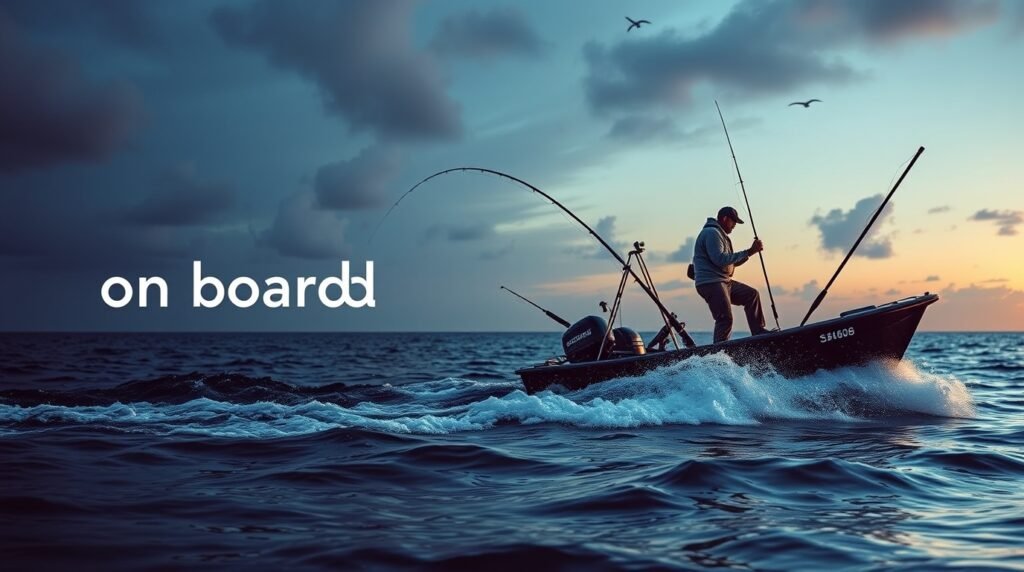
Fishing responsibly isn’t only about what happens at the end of your line — it’s also about how you operate on the water.
- Avoid idling or anchoring directly over seagrass beds; prop scarring takes years to heal
- Maintain your engine regularly to prevent fuel and oil leaks
- Use eco-friendly, phosphate-free cleaning products for boat maintenance
- Never dump bait, trash, or old fishing line overboard
- Bring a dedicated trash container and pick up any debris you find along the way
Charter operations that build these habits into every trip are the ones actually practicing thunderonthegulf eco friendly fishing practices rather than just talking about them.
Building Long-Term Conservation Habits
Sustainable fishing isn’t a one-trip decision — it’s a mindset that compounds over years on the water.
Get Involved Locally
- Join a local reef restoration or oyster shell recycling program
- Participate in beach and waterway clean-up events
- Support Gulf-focused conservation nonprofits with donations or volunteer hours
Educate the Next Generation
Passing these habits to newer anglers — kids, first-time visitors, or fishing partners — multiplies the impact of every individual trip. A guide who explains why a slot limit exists creates a more conservation-minded angler than one who simply enforces the rule.
Track Your Own Impact
Keeping a simple log of catches, releases, and observed habitat conditions (water clarity, seagrass health, unusual fish behavior) can help you notice environmental changes early and adjust your own practices accordingly.
Common Mistakes That Undermine Eco Friendly Fishing
Even well-intentioned anglers make mistakes that work against conservation goals. Watch for these:
- Holding fish vertically by the jaw for extended photo sessions
- Using treble hooks on species prone to deep-hooking
- Anchoring in seagrass instead of using a shallow-water push pole or trolling motor
- Releasing barotrauma-affected fish at the surface instead of using a descending device
- Ignoring seasonal closures because “everyone else is still fishing”
Avoiding these mistakes is just as important as adopting new habits — both halves matter equally when it comes to thunderonthegulf eco friendly fishing practices.
Why This Approach Benefits Everyone
Sustainable fishing isn’t just good for fish populations — it protects the entire coastal economy. Charter businesses, tackle shops, seafood restaurants, and tourism all depend on healthy Gulf waters. When anglers commit to real conservation habits instead of surface-level gestures, the benefits ripple outward:
- Healthier fish stocks mean more consistent catches for everyone
- Protected habitats support tourism and local wildlife viewing
- Reduced pollution keeps beaches and waterways attractive to visitors
- Stronger fisheries support commercial and recreational economies alike
This is the bigger picture behind thunderonthegulf eco friendly fishing practices — it’s not just about individual trips, it’s about protecting a shared resource.
Frequently Asked Questions
What are the most important eco friendly fishing practices for beginners?
Start with proper catch-and-release handling, using circle hooks, and always checking current size and bag limits before you fish.
Why is barotrauma a concern for red snapper specifically?
Snapper caught from deep water experience rapid pressure changes that can prevent them from swimming back down, making descending devices essential for survival.
Does biodegradable fishing line actually break down faster?
Yes — biodegradable lines break down significantly faster than traditional monofilament, which can persist in marine environments for hundreds of years.
How can charter operators support conservation efforts?
By avoiding seagrass beds when anchoring, maintaining boats to prevent leaks, and educating clients on proper handling and current regulations.
Are Gulf Coast fishing regulations the same across every state?
No — Florida, Alabama, Mississippi, and Texas each set their own size limits, seasons, and species-specific rules, so always confirm current regulations before your trip.
What’s the easiest gear change to make for more sustainable fishing?
Switching from lead weights to tungsten or steel, and from J-hooks to circle hooks, are two of the simplest upgrades with immediate conservation benefits.
Final Thoughts
Real conservation isn’t built on vague slogans — it’s built on specific habits repeated trip after trip. From choosing the right hook to understanding barotrauma to respecting seasonal closures, every detail in this guide reflects what genuine thunderonthegulf eco friendly fishing practices look like in action. The Gulf Coast’s fishing future depends on anglers who treat these habits as standard practice, not optional extras — and that commitment is what keeps these waters productive, healthy, and worth returning to for years to come.